Innovation and competitiveness of SMEs – CARPOL Sp. z o.o. focuses on technological development with European Funds
European Funds for Mazovia 2021–2027 support SMEs in increasing their innovation and competitiveness. A prime example is the project implemented by CARPOL Sp. z o.o., a manufacturer of lightweight bodywork for vans.
A new stage in the development of CARPOL
CARPOL Sp. z o.o. has long specialized in the design and production of innovative solutions for the transport sector. As part of the project “Increasing the competitiveness of CARPOL Sp. z o.o. through technological development and implementation of an innovative cargo space partition in van vehicles” (No. FEMA.01.03-IP.01-02BJ/24), the company is implementing a project co-financed by the European Funds for Mazovia 2021–2027 Programme, Priority: European Funds for a more competitive and intelligent Mazovia, Measure: Innovation and competitiveness of SMEs.
The project is being implemented from May 1, 2024, to January 31, 2026.
Total cost: PLN 2,792,610.50
Eligible expenses: PLN 2,271,350.00
EU funding: PLN 1,139,175.00
The purpose and innovation of the project
The main goal of the project is to implement an innovative composite partition that separates the cargo area from the passenger compartment in commercial vehicles. The design, developed through CARPOL’s own research and development, allows for:
a variety of finishes (paint, veneer, laminate, premium materials),
significant reduction in body weight (by at least 10%),
shortening the production process by 20%,
reducing manufacturing costs by 10%,
and the ability to reuse the partition in other base vehicles.
This makes the product relevant to the needs of today’s market – from commercial transport to electric and hybrid vehicles, where lightweight construction and energy efficiency play a key role.
Modern production technology
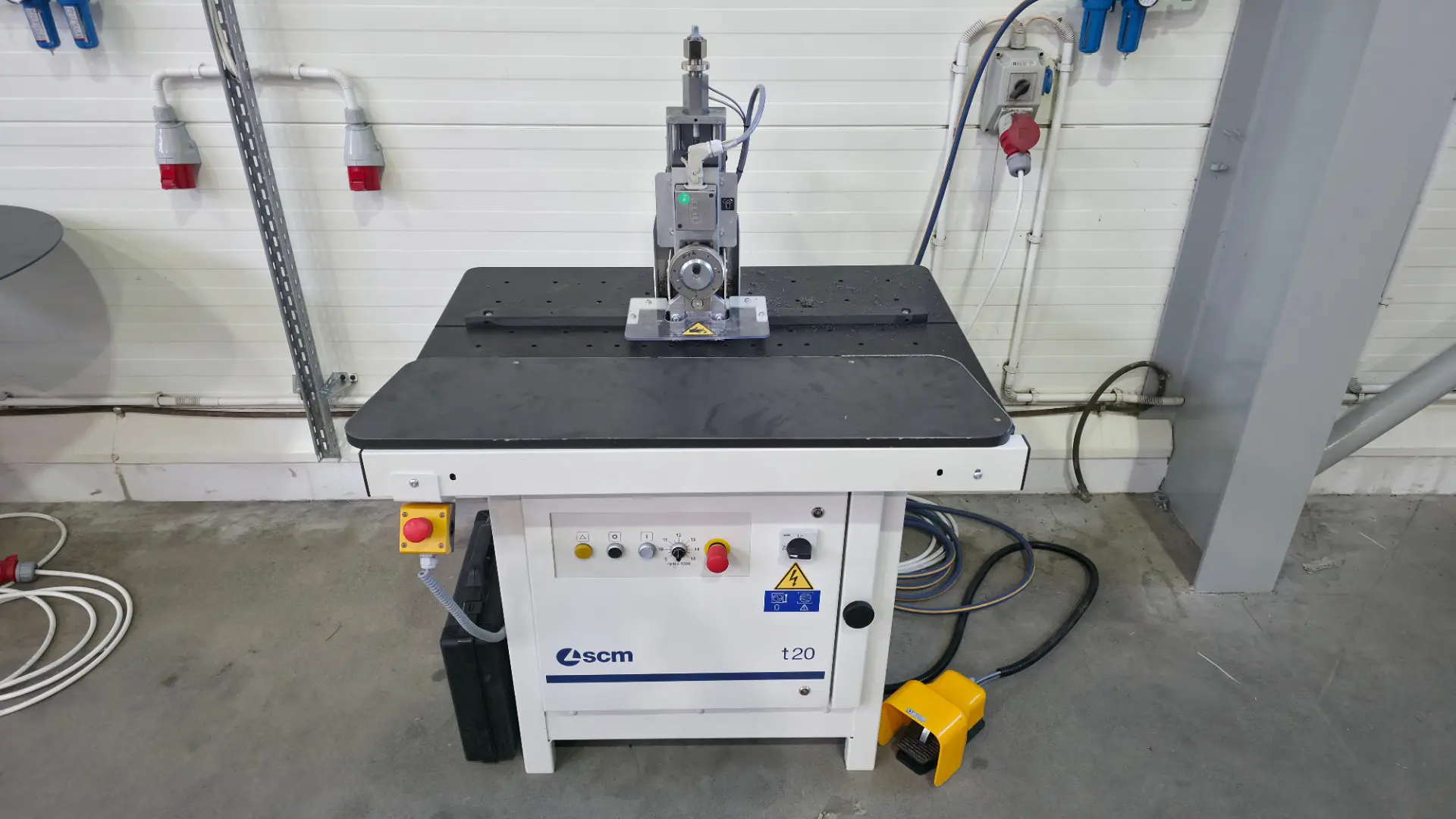
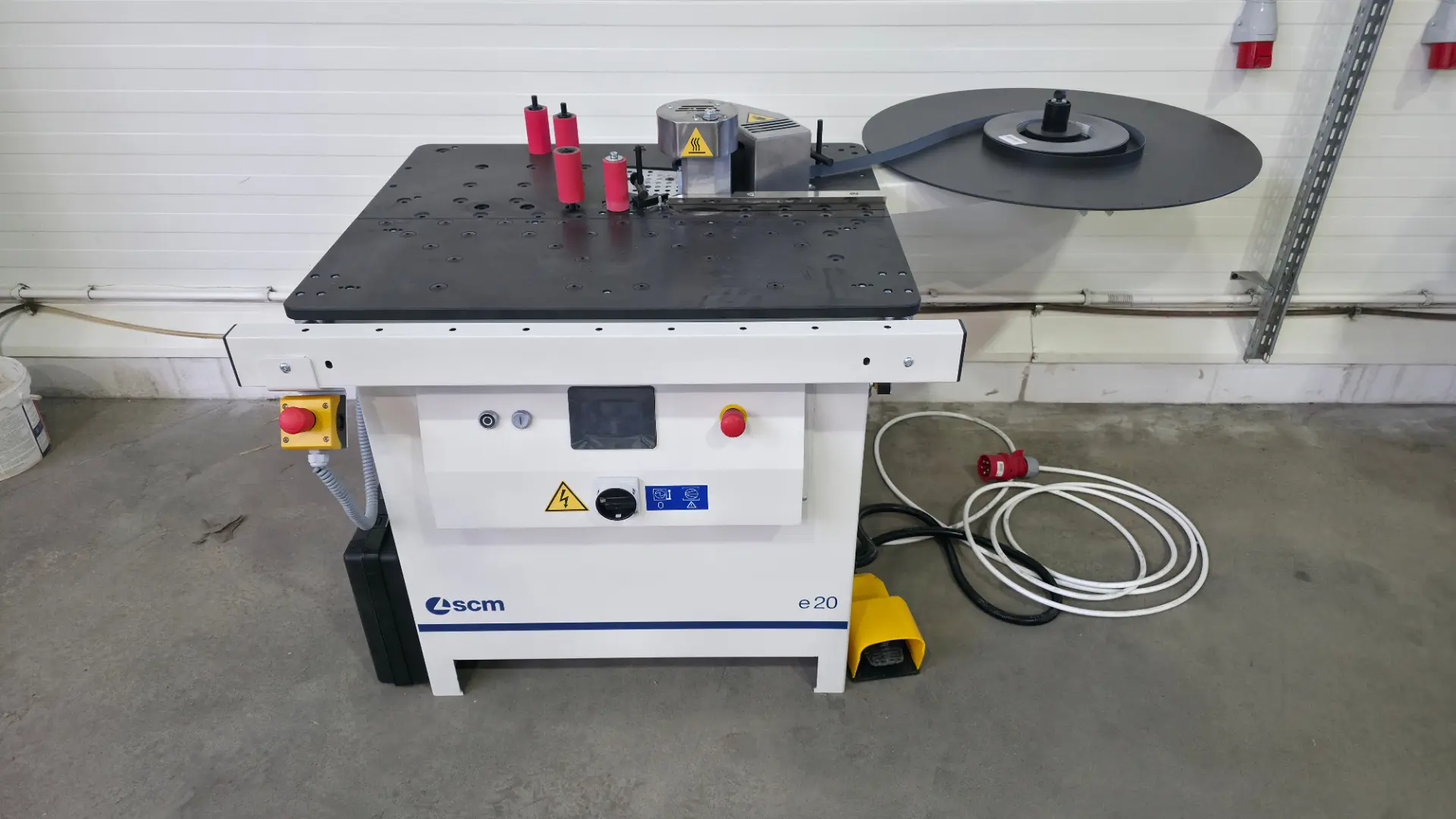
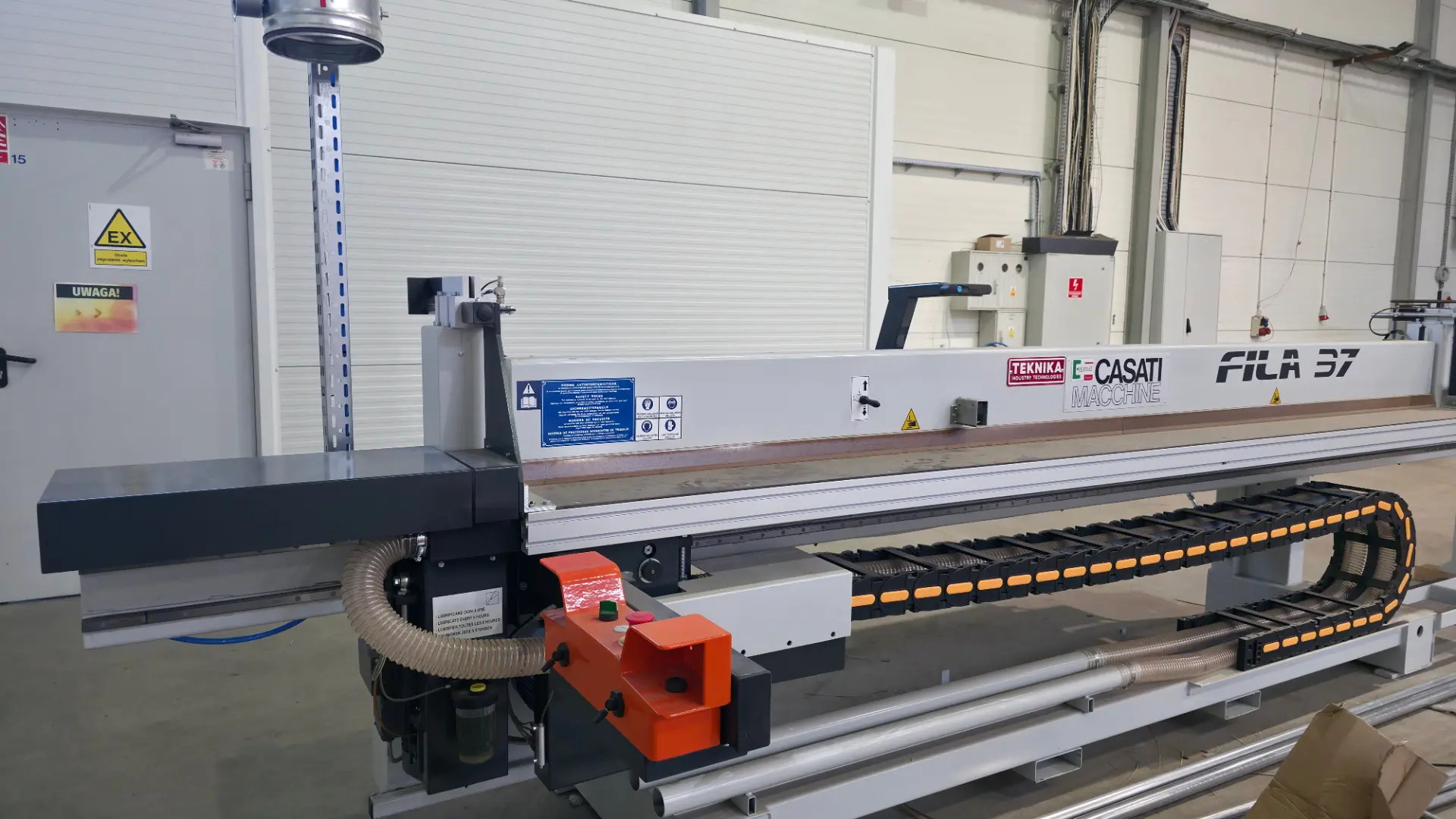
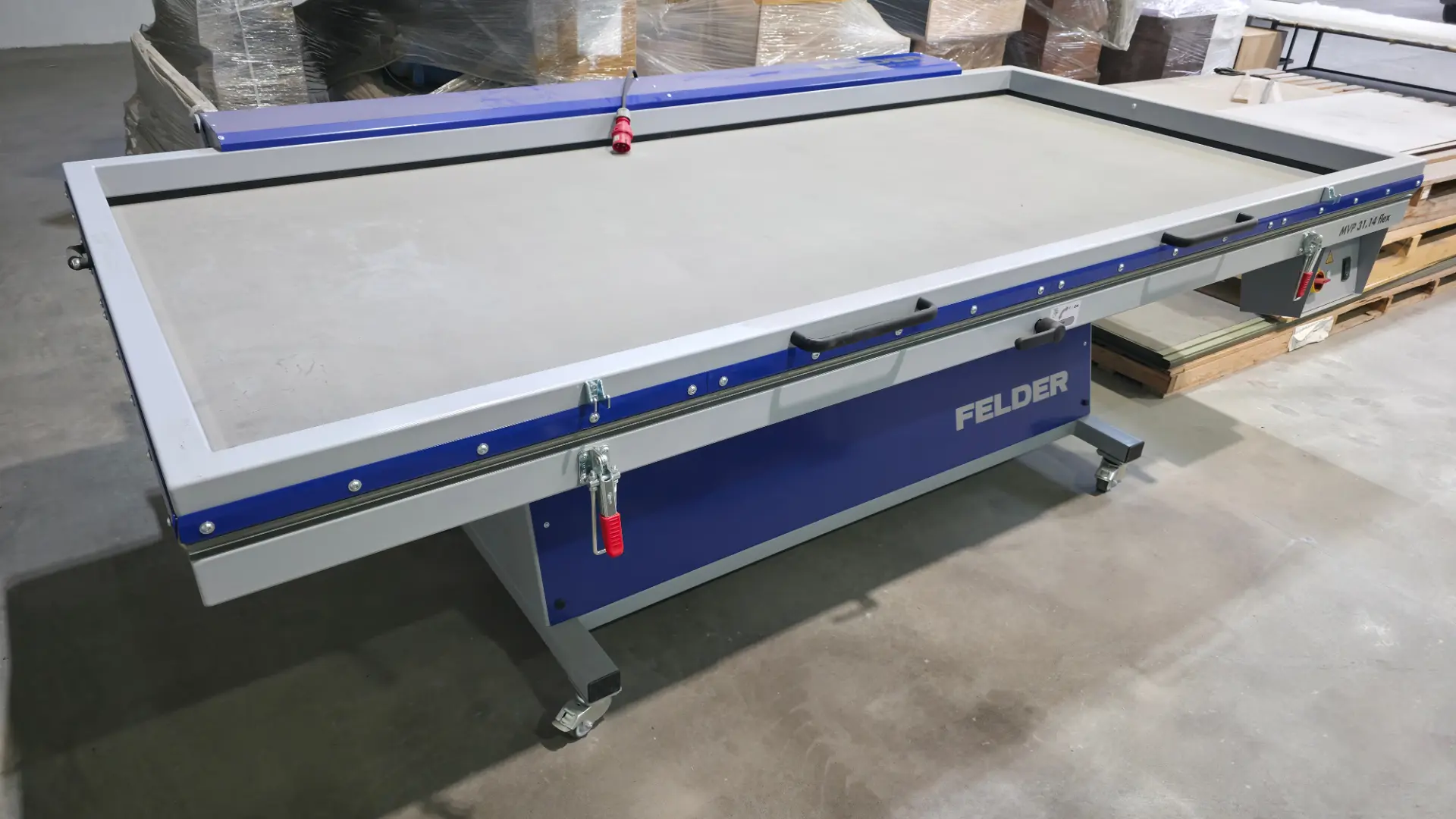
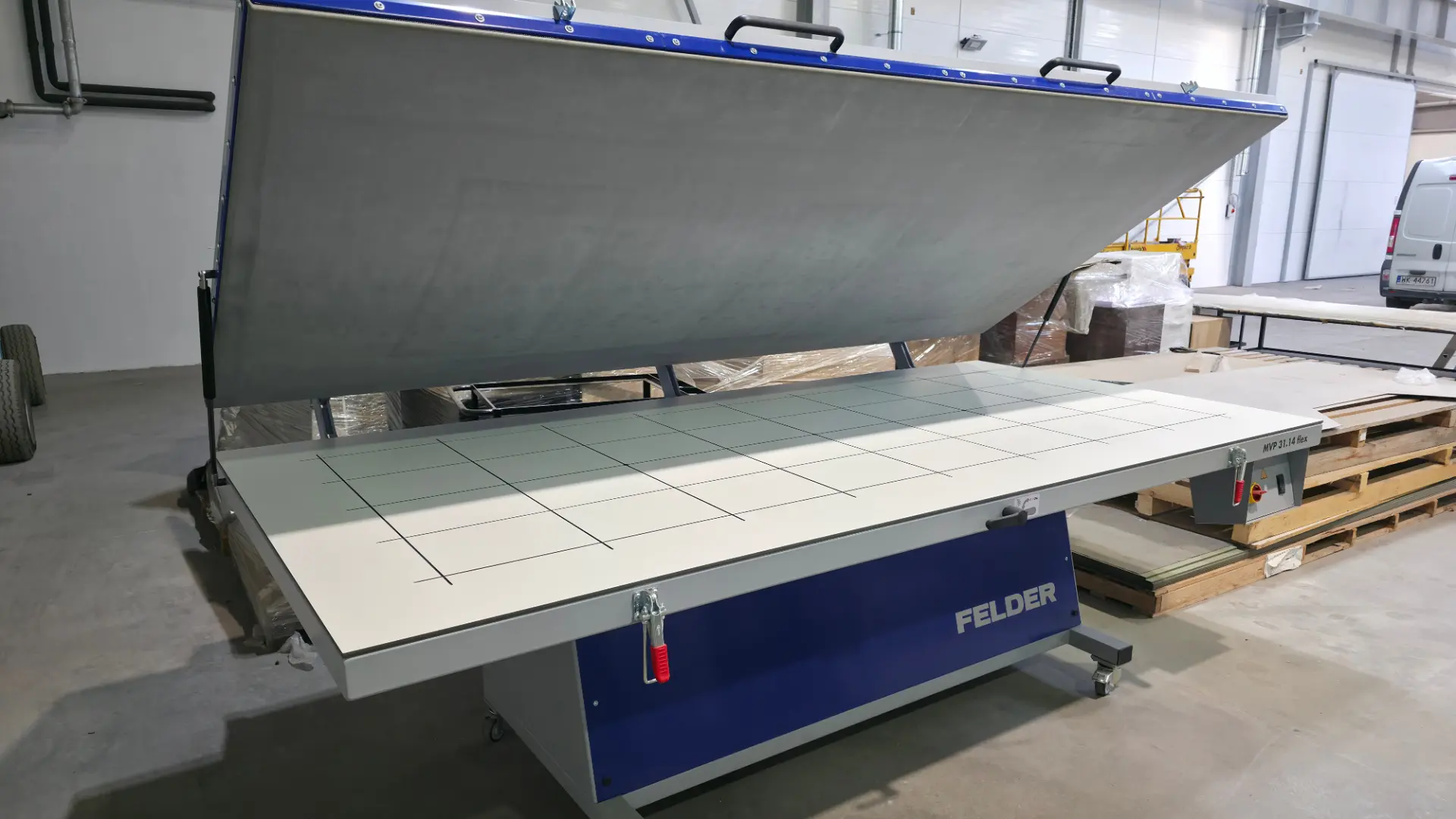
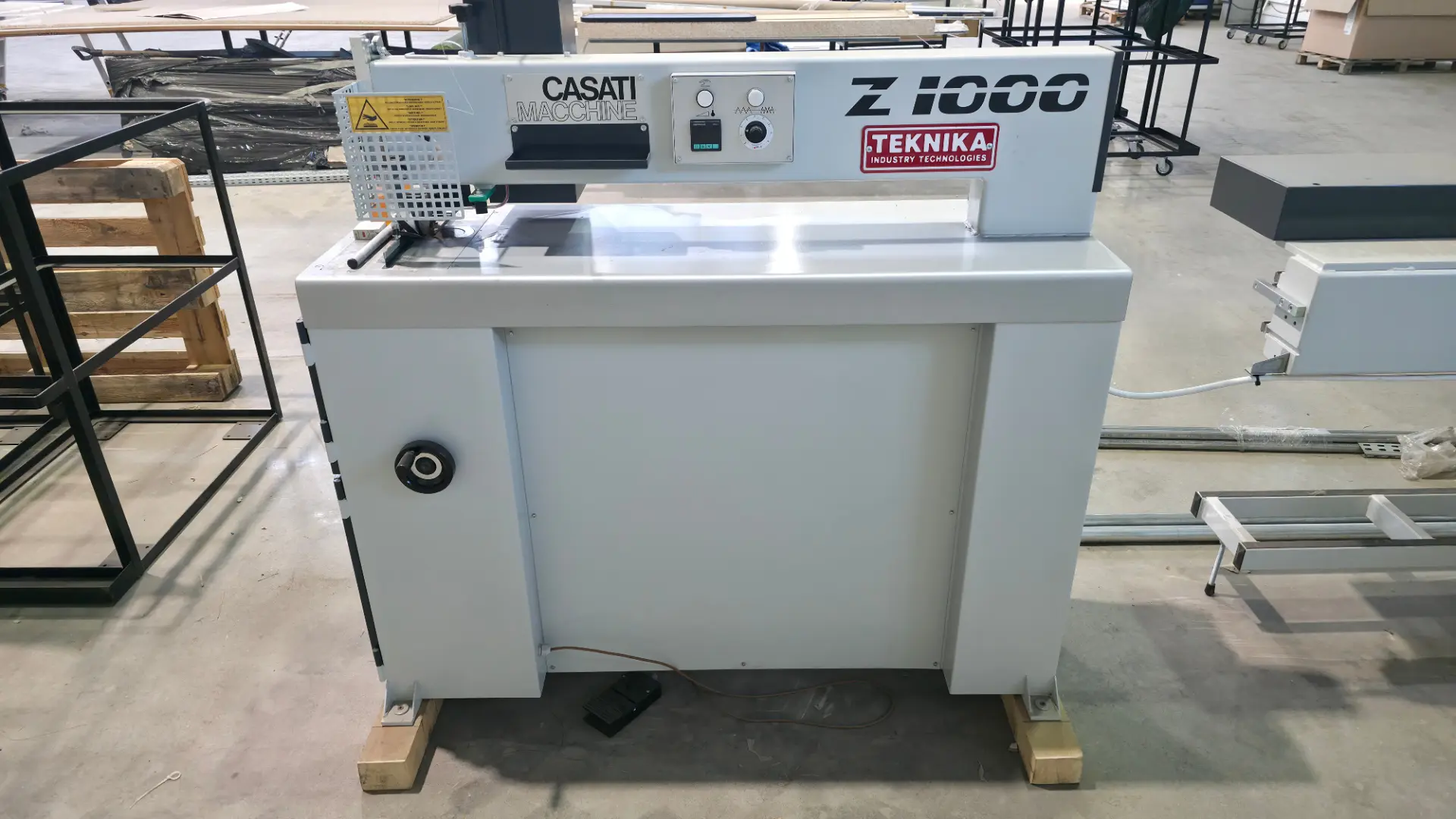
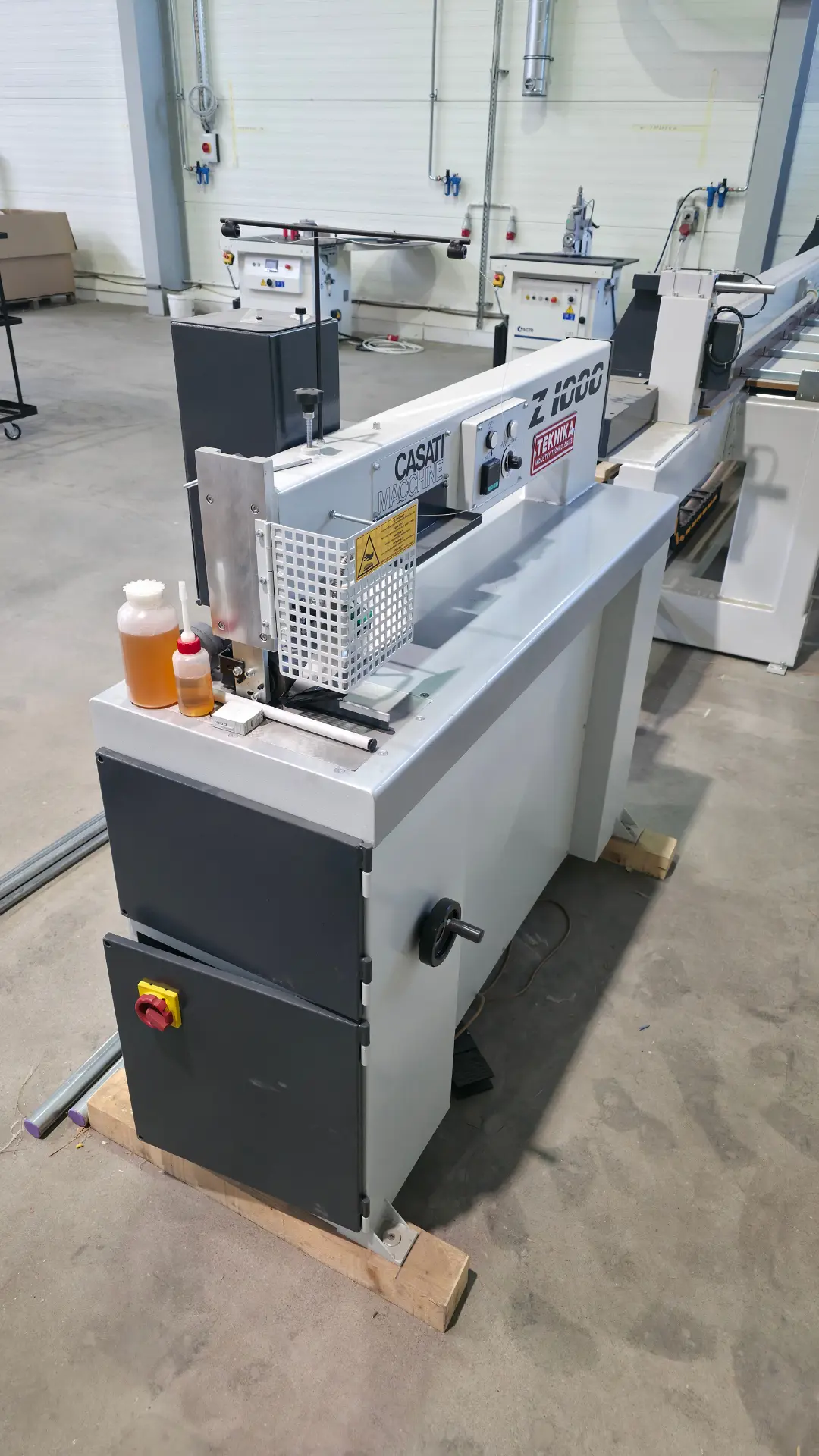
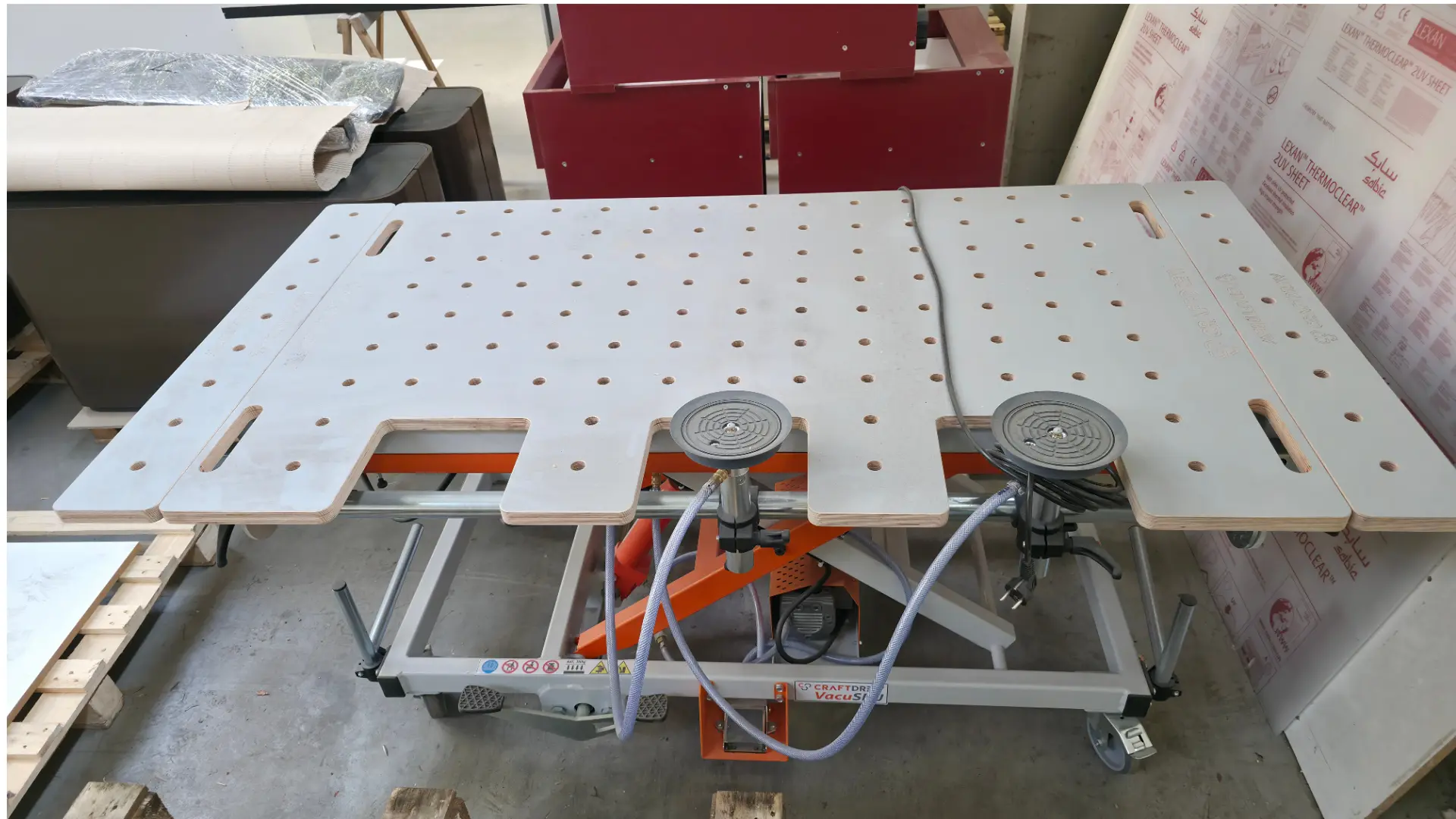
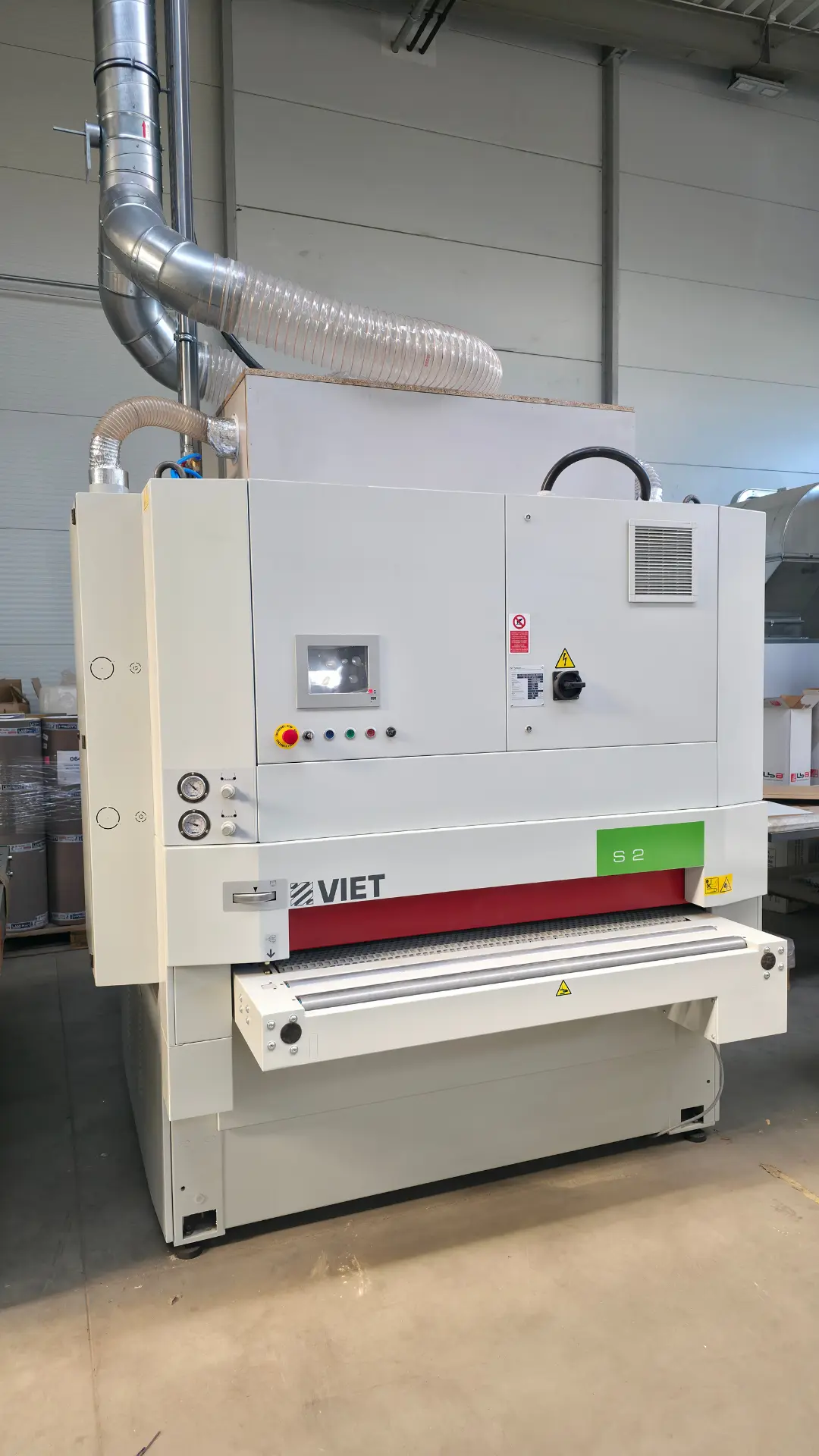
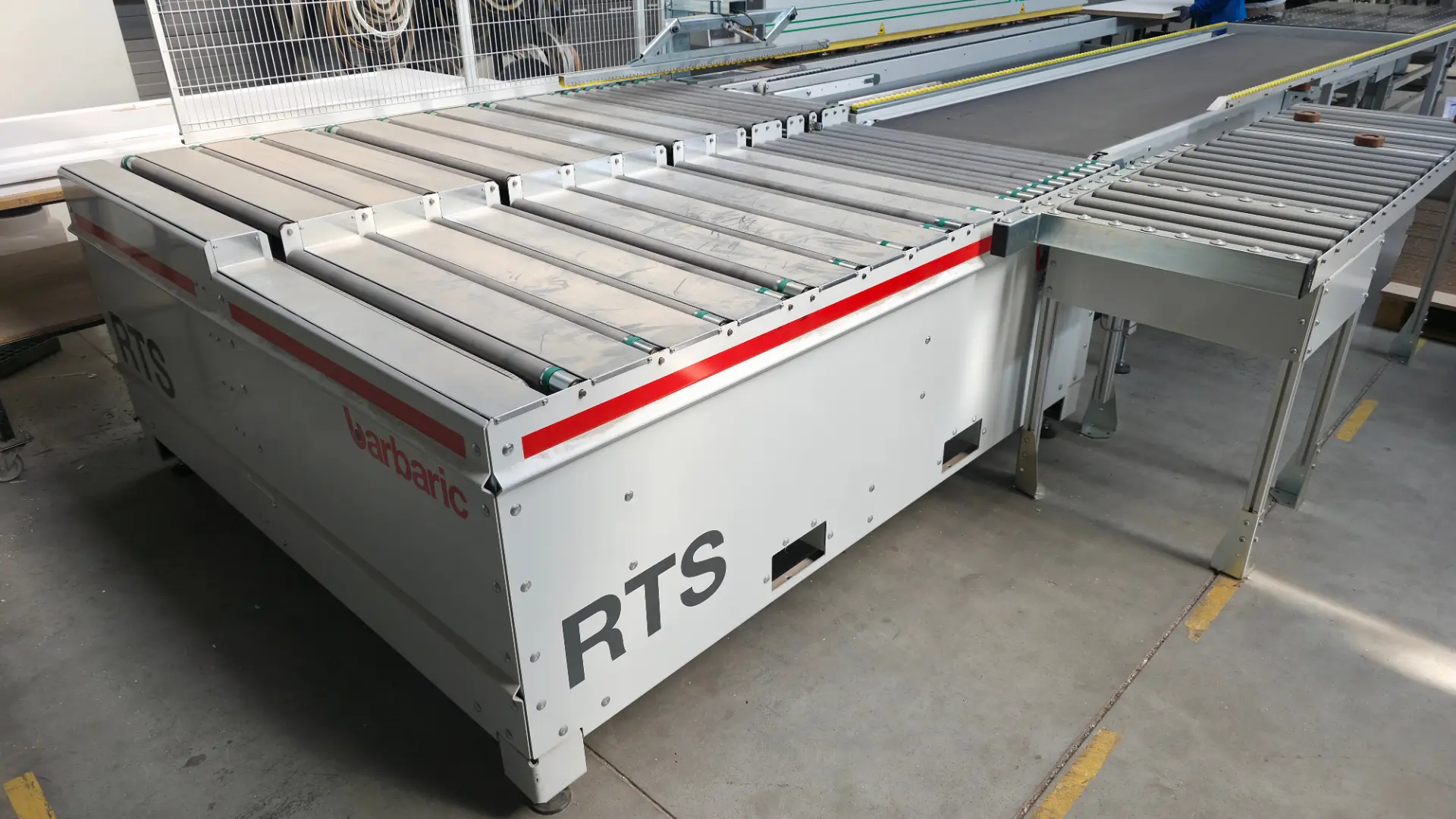
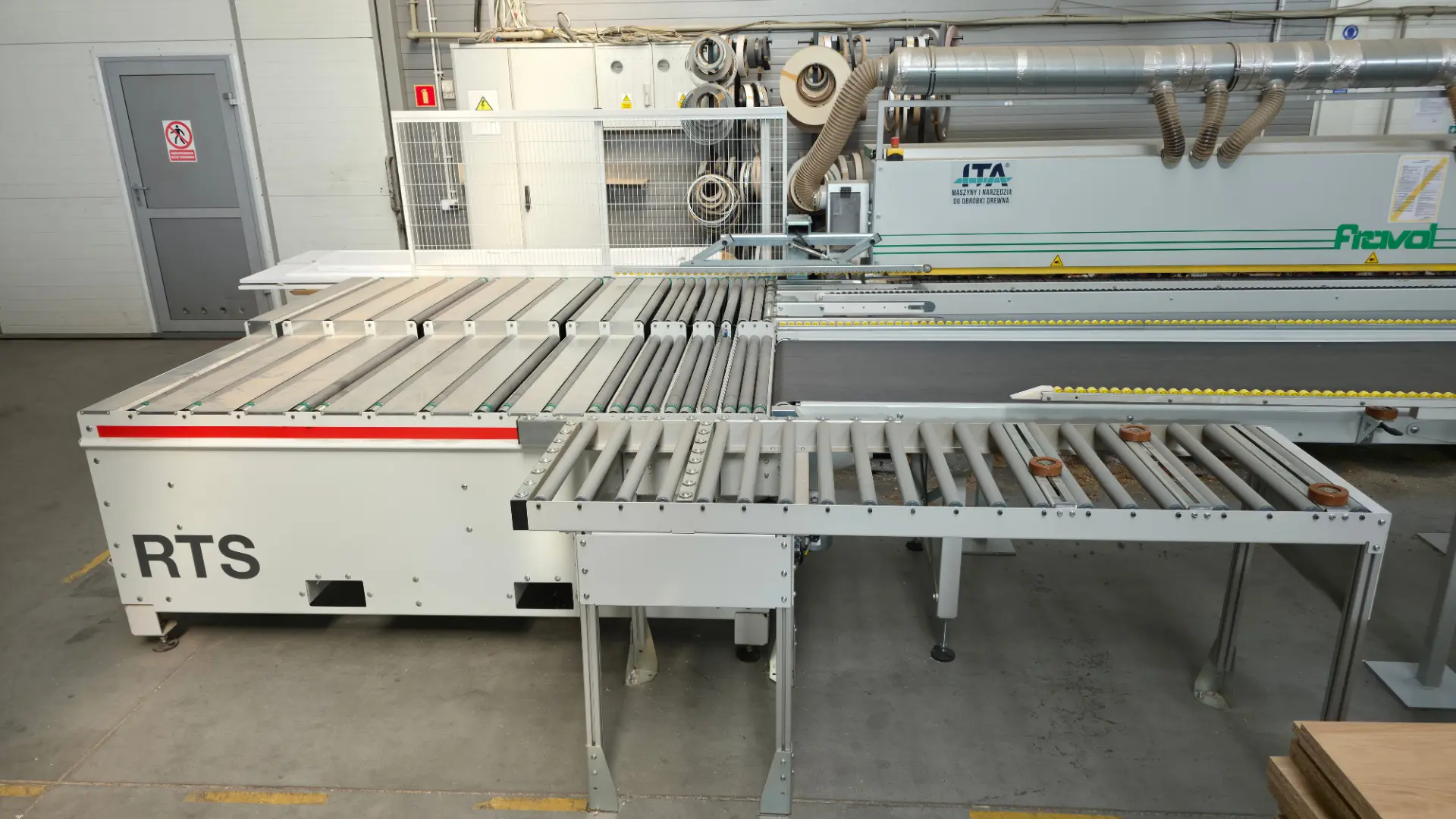
The project is based on the implementation of an automated production process based on advanced CAD/CAM systems and modern machinery. The plant’s equipment includes a Biese SK 470 panel saw, a Barbaric RTS Compact return conveyor for the edge bander, an SCM E20 straight and curved edge bander, an SCM T20 milling machine, a FANUM Lambda ST 5-axis plotter, a CASATI Z1000 veneer splicer, a FELDER-MEMBRANPRESSE MVP 31.14 flex membrane press, a VIET S2 wide-belt sander, a CASATI FILA31 veneer guillotine, an ARDESIA DRYBOX drywall spray booth, and FAT 300 S carpentry workbenches. Additionally, TopSolid software licenses were purchased, which enables the generation of CAM programs and full integration of design with production. The new technology ensures:
precision execution,
accelerated cutting, milling, and drilling processes,
higher quality and production safety,
complete design flexibility in line with customer requirements.
Effects and benefits for the industry
Through the project, CARPOL plans to:
increase employment by four new positions,
increase revenues in the eco+ construction segment by 10%,
strengthen its market position as a supplier of lightweight, innovative, and eco-friendly solutions,
reduce emissions through rational material management, eliminating certain processes (e.g., welding), and enabling component recycling.
The project also aligns with the concept of sustainable development – combining environmental protection, technological innovation, and a positive impact on the local labor market.
Promotion and reaching customerso klientów
CARPOL also planned promotional activities:
creating a website dedicated to the project,
industry publications and electronic brochures,
product presentation at AUTOMOTIVE trade shows,
product training for dealers and vehicle manufacturers.
The target group is primarily van users, for whom the new partition means greater functionality, comfort, and safety.
Summary
The CARPOL Sp. z o.o. project is an example of how European Funds for Mazovia support the development of SMEs in the areas of innovation, automation, and ecology. The new composite partition is a solution that not only increases the company’s competitiveness but also sets new standards in commercial vehicle construction, responding to customer needs, market requirements, and the challenges of electromobility.
Production machines and equipment purchased under project no. FEMA.01.03-IP.01-02BJ/24